

Full container load (FCL)
A container used for your goods only. It suits larger volumes.
Sea freight, FCL and LCL
OTS ships goods internationally by sea, whether you bought them from OTS or from other suppliers.
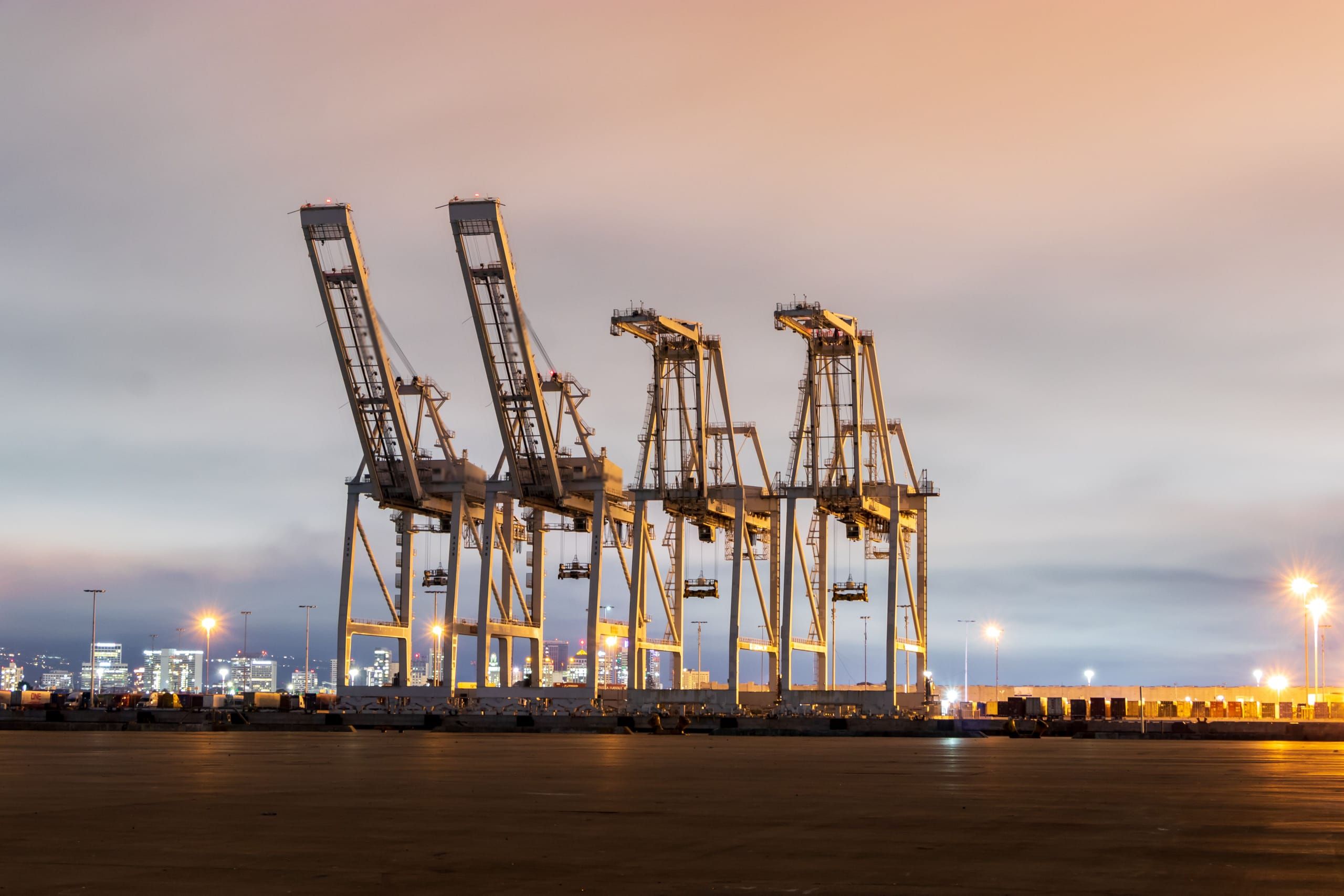
Container cranes on a quay at dusk, July 2020 (place not recorded). Image credit: "Heavy Machineries Used in the Harbor" by Griffin Wooldridge, Pexels License, via Pexels, modified
We ship by sea, in full containers (FCL) or in shared containers (LCL).
A container used for your goods only. It suits larger volumes.
Your goods share a container with other shipments. It suits volumes that do not fill a container.
For goods OTS supplies and for goods you bought from other suppliers.
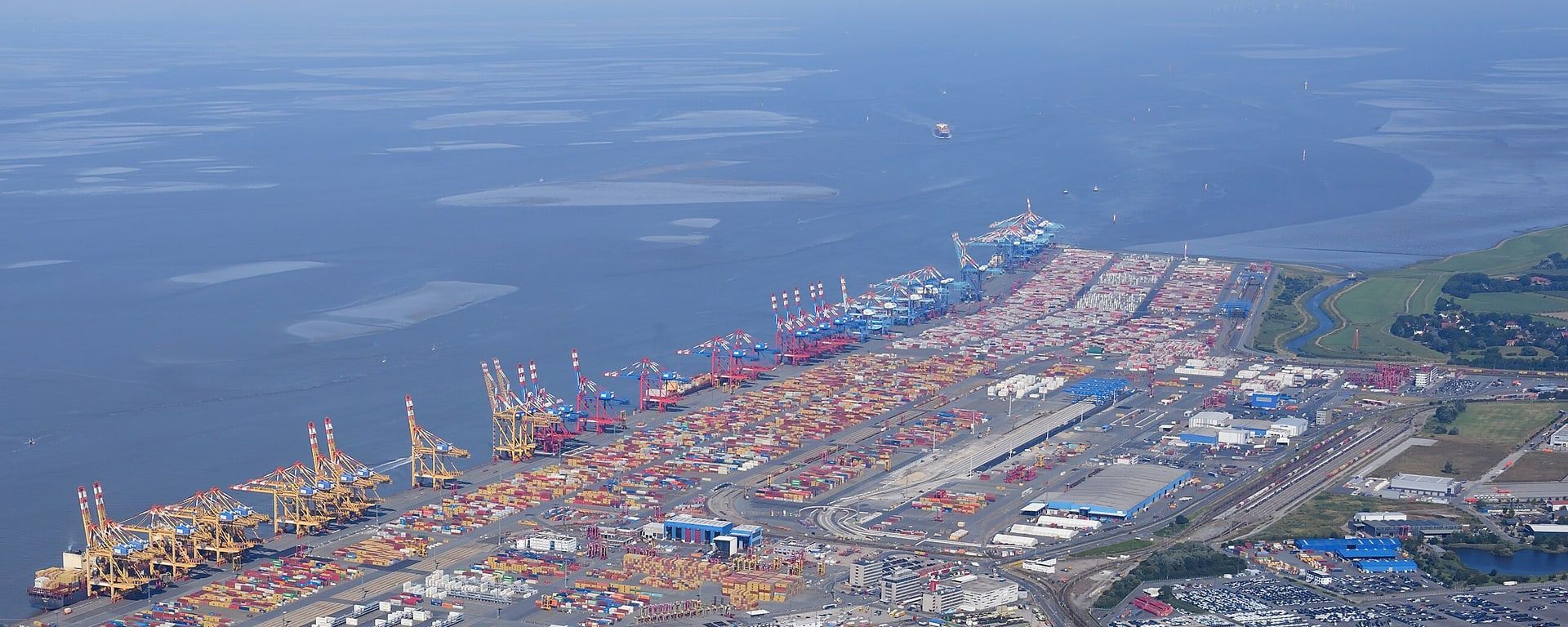
Container terminal, Port of Bremerhaven, Germany, August 2024. Aerial view. Image credit: "Aerial image of the Bremerhaven container terminal (view from the southeast)" by Carsten Steger, CC BY-SA 4.0, via Wikimedia Commons, cropped
We can combine goods from several suppliers into a single shipment when their weight, volume and compatibility allow it and loading rules permit.
Send your details
Tell us about your suppliers and your cargo.
We review and quote
We check the details and send you a quotation.
Your suppliers deliver
Your suppliers deliver the goods to the storage point we give you privately.
Storage until loading
The goods stay in storage until the container is loaded.
Loading
The goods are loaded into a full container (FCL) or a shared container (LCL).
Shipped by sea
The container is shipped by sea to the agreed destination port.
Documents shared
We share the shipping documents with you.
We can store your goods before international shipping.
Storage arrangements are discussed with each customer.
Estimates are fine at first. The more complete the details, the more precise the quotation.
Shipping generators, engines, motorcycles or batteries? Tell us the fuel type, whether tanks will be drained and what batteries are included. These goods must be prepared and declared before loading, and the shipping line confirms acceptance.
Declared cargo follows specific preparation, documentation and stowage rules, and it can affect whether consolidation is possible. We confirm what we can accept.
Frequently asked questions
Yes. We ship goods by sea whether you bought them from OTS or from other suppliers, in a full container (FCL) or a shared container (LCL).
We can combine goods from several suppliers into a single shipment when their weight, volume and compatibility allow it and loading rules permit. The shipment leaves when the last supplier's goods are ready.
Yes. We can store your goods before international shipping. Storage arrangements are discussed with each customer.
These goods must be declared, prepared and documented before loading, and the shipping line confirms acceptance. Tell us the fuel type, whether tanks will be drained and what batteries are included, and we will confirm what we can accept.
Customs clearance is not part of our services.
Tell us where your goods are, what they are and where they need to go.
We ship worldwide.
Not included
Customs clearance is not part of our services.